
 Scoop has an Ethical Paywall


Saturday, 27 April 2024, 9:49pm
Human Bridges: What Does Play Tell Us About Human Evolution?
Te Pāti Māori: Aotearoa Must Support Investigation Into Gaza Mass Graves
Christine McCarthy: Returning the rainbow
ACT New Zealand: Response To ANZAC Day Protests
Auckland University: NZ's Drinking Water Safe From Harmful ‘Forever Chemicals’
Paris 2024: NZ Names Largest Ever Women's Canoe Sprint Team
Government: Minister Welcomes Hydrogen Milestone
 Gordon Campbell: On bird flu, AUKUS entry fees and Cindy Lee
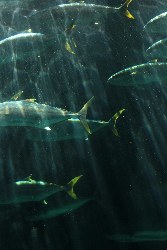 NZ Government: New Lab To Help Protect Key Pacific Tuna Fisheries
 Susan Botting - Local Democracy Reporter: Ruawai Leader Slams Kaipara Council In Battle Over $400k Property
 Te Pati Maori: Another ‘Stolen Generation’ Enabled By Court Ruling On Waitangi Tribunal Summons
 Peace Action Wellington: Die In for Palestine Marks ANZAC day
 Labour Party: Penny Drops – But What About Seymour And Peters?
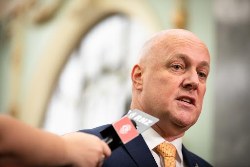 Government: PM Announces Changes To Portfolios
LATEST HEADLINES
- PARLIAMENT
- POLITICS
- REGIONAL
- Taking Action On Fetal Alcohol Spectrum Disorder 2:11 PM | New Zealand Government
- Diplomacy Needed More Than Ever 6:21 AM | New Zealand Government
- Gaza: Aotearoa Must Support Independent Investigation Into Mass Graves 26/04/24 | Te Pati Ma...
- New Lab To Help Protect Key Pacific Tuna Fisheries 26/04/24 | New Zealand Government
- Anzac Commemorative Address – NZ National Service, Chunuk Bair 26/04/24 | New Zealand Govern...
- Anzac Commemorative Address – Dawn Service 25/04/24 | New Zealand Government
- Another ‘Stolen Generation’ Enabled By Court Ruling On Waitangi Tribunal Summons 25/04/24
- Wellington Scoop
- Driver of stolen ute killed in wrong-way crash on SH1
- Porirua’s overnight a&e centre may replace doctors with a phone
- Wind damage closes Begonia House
- Death of Wellington historian and advocate Ben Schrader
- Award to WCC for te reo Maori initiatives – “co-governance in action”
- Crash on SH1 delays northbound traffic between Johnsonville and Glenside
- 61-year-old arrested, charged with slashing car tyres in Porirua
 Business Canterbury: Urges Council To Cut Costs, Not Ambition For City
 Wellington Airport: On Track For Net Zero Emissions By 2028
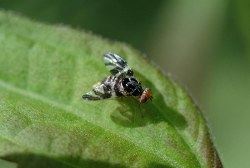 Landcare Research: ANZAC Gall Fly Release Promises Natural Solution To Weed Threat
 NZ Anti-Vivisection Society: Auckland Rat Lovers Unite!
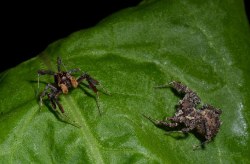 University of Canterbury: $1.35 Million Grant To Study Lion-like Jumping Spiders
 Federated Farmers: Government Ends War On Farming
LATEST HEADLINES
- BUSINESS
- SCI-TECH
- TradieGuide Announces Launch Of Regional Informational Guides To Assist In Findi... 2:30 PM
- TradieGuide To Launch Comprehensive Electrician Guides For Timaru, East Auckland... 2:28 PM
- She Speaks; We Listen: Reaching Out To Women-led Businesses In The Blue Pacific 26/04/24
- Urchinomics Appoints Maru Samuels As Its New In-Country Lead For New Zealand 26/04/24
- The Importance Of Professional Carpet Cleaning In Wellington 26/04/24 | The Carpet Cleaner
- Coastal Tree Solutions Emphasises The Importance Of Professional Tree Care In Ha... 26/04/24
- New Zealand Business Sector R&D Expenditure Reaches $3.7 Billion – Media Release 26/04/24
 Peter Dunne: Luxon Gets Out His Butcher's Knife - Briefly
 Binoy Kampmark: Warring Against Encryption, Australia Is Coming For Your Communications
 Gordon Campbell: On Fast Track Powers, Media Woes And The Tiktok Ban
 Binoy Kampmark: Censorship Wars, Elon Musk, Safety Commissioners And Violent Content
 Gordon Campbell: On The Public Sector Carnage, And Misogyny As Terrorism
 Ramzy Baroud: NATO’s Never-ending War: The 75-Year-Old Bully Is Faltering
LATEST HEADLINES
- TOP SCOOPS
- Liz Truss And The West: A Failed Former Prime Minister Speaks 2:17 PM | Binoy Kampmark
- Feeding War, Killing Peace: Why The US Vetoed ‘Palestine’? 6:08 AM | Ramzy Baroud
- Revisiting New Zealand's Policy Approach: The Nuances Of Equality And Equity 26/04/24
- The Ideological Coup: How Disciples Of Kahane Became The New Face Of Israel 26/04/24
- Dunne's Weekly: Luxon Gets Out His Butcher's Knife - Briefly 25/04/24 | Peter Dunne
- Warring Against Encryption: Australia Is Coming For Your Communications 24/04/24 | Binoy Kam...
- On bird flu, AUKUS entry fees and Cindy Lee 24/04/24 | Gordon Campbell
 UN News: Healing Page By Page In Earthquake-affected Türkiye
 Save The Children: Rate Of Attacks On Healthcare in Gaza Higher Than In Any Other Conflict Since 2018
 UN News: Green Light For New Cholera Vaccine, Ukraine Attacks Condemned, Action Against Racism
 Laureus: Grand Slam Champion Garbiñe Muguruza Announces Retirement Ahead Of Laureus World Sports Awards
 Carbon Market Watch: Going For Green - Is The Paris Olympics Winning The Race Against The Climate Clock?
 New Zealand Defence Force: NZDF Working With Pacific Neighbours To Support Solomon Islands Election
LATEST HEADLINES
- WORLD
- Signing The War In Gaza: Overcoming Deafness And Displacement 3:33 PM | UN News
- World News In Brief: Support For Haiti Mission, Challenge Of ‘Commodity Dependen... 3:28 PM
- UN Updates On Probe Into Allegations Of Staff Collusion During 7 October Attacks 3:23 PM
- Campus Activism For Gaza Ignites 3:19 PM | Globetrotter
- Laurel Sutherlin: How Banks And Investors Are Fueling A Global Biodiversity Cris... 2:57 PM
- India’s Billionaire Wealth Is On Display As Nation Votes 2:52 PM | Independent Media Instit...
- United States: Project South & Civil Rights Orgs Denounce Mass Arrests At Emory ... 2:23 PM
 Braden Currie: Sets Sights On The Ironman North American Championships In Texas
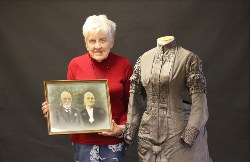 Whanganui Regional Museum: Historic Wedding Dress Unveiled, A Piece Of Marton’s Heritage
 Donovan Ryan: Local Runner Takes Out Frontrunner Christchurch Marathon
 University of Auckland: Tributes Flow For Much Loved Pacific Leader Melegalenu’u Ah Sam
 NZEI: Ministry Of Education Cuts Will Disproportionately Affect Pasifika
 Day One Hapai te Haeata: Call To Action For Young Filmmakers Against The Backdrop Of Funding Cuts
LATEST HEADLINES
- CULTURE
- HEALTH
- EDUCATION
- Award-winning Kāpiti Coast artist Tim Li is set to open his new exhibition in We... 6:49 PM
- Cyber Skills Programme For Tamariki Recognised At Māori Language Awards 2:43 PM | Tatai Aho...
- Mataks FC Cruise Into OFC Futsal Men's Champions League Final In New Caledonia 6:38 AM
- Ngā Tohu Reo Māori: Lifetime Achievement Awarded To Three Prominent Wāhine 6:00 AM | Maori ...
- Lucy Gray Drops Last Single Before EP 5:28 AM | Lucy Gray
- Waitaha-South Island Kapa Haka Celebrates 60th Anniversary With Record Participa... 26/04/24
- Indie Rock Band Voodoo Bloo Release Their Funky New Single 26/04/24 | Voodoo Bloo
